House Removals in London

House removals in London need careful planning, steady handling and a practical approach to access, timing and transport. We help households move furniture, boxes and everyday belongings with a service shaped around the realities of city property, shared entrances and tight loading space. The aim is straightforward: move your items safely, keep the process organised and make the handover at each address as smooth as possible.
Our house removals service covers single flats, family homes and full-house moves, with support for the parts of relocation that usually need the most attention. That can include lifting, carrying, loading, arranging items in the vehicle and managing the order in which furniture leaves the property. Where needed, we can also support with packing and unpacking, which is useful when you want fragile items separated from larger household contents.
Every move is different, so the most useful arrangement is one that reflects the property size, the access at both ends and the amount of furniture to be moved. A clear inventory helps us understand what needs to travel, while photographs can be helpful for bulky or awkward items. If you already know which rooms are being cleared first, or whether anything needs extra care, tell us when you request a quotation. It keeps the planning sensible.
Domestic Moving Support
Domestic moving work is rarely just about lifting boxes. Sofas, wardrobes, bed frames, appliances and fragile household items all require different handling. We plan removals around the shape of the property and the route through it, so larger pieces can be moved without avoidable strain on walls, stairs or door frames. That practical sequencing is particularly useful in homes where items need to be dismantled before they can come out cleanly.
Our work can also include home moves where the household contents are being transferred in stages or where the move sits alongside other preparations. Some customers need assistance with part-load transport, while others want a full-property move completed in one trip. The service can be adjusted to suit either situation, provided the access and item list are clearly set out in advance.
When a move involves only selected rooms, it helps to separate what is travelling from what is staying behind. Keep special items together, and make sure any delicate belongings are identified before collection. If there are tight stairways, awkward corners or heavy items that may need two people to handle them, mention that early. A better description of the job usually leads to a more accurate quotation. Clear details save time later.
Packing, Protection and Care

Packing is often where a move becomes easier or harder. Well-packed boxes reduce damage, make stacking more stable and help the vehicle space be used efficiently. Our packing and unpacking services are a practical option when you want support organising household items before the move or getting settled afterwards. It is especially helpful for kitchens, ornaments, books and mixed-room contents that are more awkward to sort at short notice.
Protection matters for furniture as well as smaller items. Mattresses, table tops, mirrors and polished surfaces can be wrapped or separated so they travel more securely. If items need dismantling, that should be done methodically, with fittings and fixings kept together for reassembly. In many homes, the most efficient move is one where packing, wrapping and loading all follow the same plan rather than happening as separate rushed tasks.
For your quotation, it is useful to identify whether packing is needed for everything or just certain rooms. A few well-chosen details make a difference: how many boxes you expect, whether any items are fragile, and if there are appliances that need special handling. If you are not sure what level of help to choose, ask for guidance and we can talk through the scope before you commit. That makes it easier to match the service to the day.
Furniture, Appliances and Bulky Items
Large household items are often the most demanding part of a removal. Wardrobes, sofas, dining tables, white goods and other bulky possessions need safe lifting techniques and sensible loading order. Our furniture pick-up work is useful when one or more large items need to be collected, moved or delivered as part of a wider house removal. It suits customers who want individual pieces handled with care rather than shifted in a hurry.
Appliances can introduce extra weight and awkward dimensions, so they need more than simple carrying. Routes, door widths and turning space should all be considered before the job begins. If an item has to pass through a narrow hallway or down a tight staircase, mention it up front so the team can prepare appropriately. Some furniture also benefits from dismantling before movement, which can reduce the risk of damage and make the journey less complicated.
A good move depends on how well the awkward pieces are managed. If you have a mixture of everyday furniture and heavy items, group them in your notes so the quotation reflects the real workload. Please include anything that cannot be shifted in the usual way, such as a very heavy cabinet, a glass table or a bed with storage sections. Practical information is always more useful than guesses.
Vehicle and Load Planning

The right vehicle arrangement can make a house removal much easier. Loads need to be balanced so that furniture, boxes and protective materials travel securely, and so that items can be unloaded in a sensible order on arrival. Our moving van and related transport options are intended to support removals where household contents need to be moved safely rather than simply collected and carried away.
Where access is limited, the vehicle choice and loading plan matter even more. Narrow streets, parking restrictions, basement entrances and upper-floor flats can all affect how the work is organised. A removal is usually smoother when the load list is matched to the available access rather than treated as a generic move. That is one reason why a precise description of the property and the main items is valuable when you request a quotation.
The more complex the move, the more useful it is to separate the work into a sequence: what is leaving first, what can be stacked, what should be loaded last and what needs to come out first at the destination. That is especially helpful when you have both fragile and robust items in the same household. If you can share the broad order of the move, it becomes easier to plan the loading and reduce unnecessary handling.
Short-Distance and Flexible Moving Options
Not every house removal is a full household relocation across town. Some customers need support with a short-distance move, a smaller property, or a flexible arrangement that fits around work, access windows or handover times. Our man and van service is a practical option when the job is more compact and needs a straightforward transport solution with hands-on loading support.
Flexible moving work can also suit situations where only certain rooms, selected items or part-load contents are being transferred. That might include bedroom furniture, kitchen items, boxes from storage or a few larger possessions that are not easy to move in a standard car. The key is to describe the job honestly so the service can be matched to the actual volume and weight of the items involved.
For this type of move, the most useful quotation details are simple: what is going, where it is going and whether carrying distance or access creates extra work. It is also worth saying if the load includes fragile or unusually shaped belongings. A compact move can still require careful handling, and it is better to account for that from the outset than to over-simplify it. Accuracy helps keep the job efficient.
Commercial and Office Moves Alongside Home Removals
House removals often sit alongside other relocation needs, especially when customers are moving from one address while also dealing with a business base or home office. Our office removals work supports the moving of desks, chairs, paperwork, equipment and other workplace contents where a structured removal plan is needed. It is separate from a domestic move, but the same attention to packing, lifting and sequencing still applies.
In some cases, a household move includes an office chair, a desk, storage units or electronics that need to be treated as work items rather than standard furniture. These should be identified clearly so the right protection and handling can be applied. If office contents are mixed with domestic belongings, an inventory or room list can help keep the process ordered and reduce the chance of anything being misplaced.
When you request a quotation, let us know whether there are any items linked to a home workspace or a separate business relocation. That does not need to be complicated; a brief explanation is enough. The important point is that the move is described as it really is, so the team can estimate the handling involved without padding the job with unnecessary assumptions.
Pricing Factors and Quotation Details

Removal pricing is usually shaped by the volume of items, the amount of labour required, the distance travelled and the access at each property. Stairs, narrow entrances, restricted parking and the need to carry items a long way from vehicle to door can all affect the amount of work involved. Our pricing and quotes page is a useful place to start if you want to understand the information that normally supports a quotation request.
A well-prepared enquiry does not need to be lengthy, but it should be accurate. It helps to note the rooms involved, the larger furniture pieces, whether packing is required and whether there are any difficult access points. If you are unsure how much detail is enough, start with the basics and add anything that may affect loading time or vehicle size. That is often all that is needed for a sensible quotation to be prepared.
Two points are worth keeping in mind. First, a removal that looks simple can still involve extra handling if items are bulky or awkward to carry. Second, a move with modest volume can take longer if access is restricted. If you want to make the process easier, describe the items clearly and keep special requirements together in one note. Then ask for your quotation in plain terms and let the scope speak for itself. Good estimates begin with good information.
About London
London is the capital of the United Kingdom and a city shaped by layers of history, transport infrastructure and distinctive local districts. The River Thames runs through its centre, and many of the best-known landmarks sit along or near its banks, including the Houses of Parliament, the Tower of London and the South Bank cultural quarter. The city grew from Roman foundations into a global centre of government, finance, theatre, publishing and design, while its neighbourhoods retained strong individual identities. Westminster, the City, Camden, Southwark, Hackney and Kensington each have different street patterns, building types and civic landmarks. That variety is visible in the architecture too, from Georgian terraces and Victorian civic buildings to post-war estates and contemporary towers. London’s transport network is another defining feature, with Underground lines, suburban rail, buses, river services and major road corridors linking the wider metropolitan area. Parks are an important part of the urban landscape, with Hyde Park, Regent’s Park, Hampstead Heath, Richmond Park and Greenwich Park all offering large open spaces within the city. Museums, galleries, theatres, markets and music venues contribute to an unusually dense cultural life, while local high streets, canals and riverside paths give different districts their own everyday character. Although the city is vast and varied, it still functions as a patchwork of neighbourhoods, each with its own history, architecture and pace of life.
Moving House With Less Disruption
Reducing disruption during a move is mostly about order. Items should be packed or grouped by room, fragile belongings kept apart from heavier ones and any furniture that needs dismantling dealt with before loading begins. Our house removal services bring those practical steps together so the move can progress in a controlled way rather than becoming a last-minute scramble. That structure is often what households appreciate most.
Where possible, keep pathways clear and set aside the items that will travel first. It also helps to keep keys, documents and everyday essentials separate from the main load so they are not mixed in with furniture and boxes. If you have children’s items, specialist equipment or personal belongings that need to remain easy to find, identify them before the move starts. These small steps can save unnecessary searching later.
If the move includes items that are going into storage, tell us when you enquire, because storage-bound goods may need to be loaded differently from items being unpacked immediately at the destination. You do not need a perfect plan before contacting us; a basic outline is enough. The main aim is to make the move steady, manageable and suited to your household’s own priorities. Ask for your quotation when you are ready.
Choosing the Right Removal Support
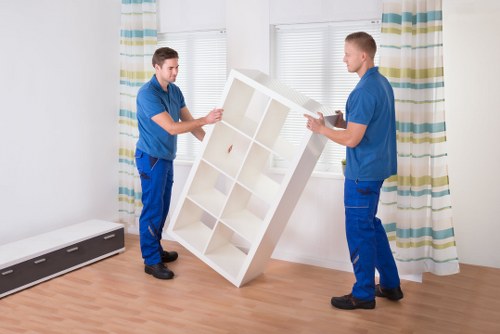
The right removal support is the one that matches the work in front of you. Some homes need a full-service approach with packing, careful loading and help moving larger furniture. Others only need transport and lifting support for selected items. Our removals page reflects that broader service approach, while the more specific pages help you identify whether the job is a full household move, a smaller transport task or a combined arrangement.
When comparing options, look at what is actually being moved rather than choosing a service name alone. A short list of large furniture, several rooms of boxes or a mixture of home and office contents can all affect the best approach. The same applies to timing, access and whether any items need dismantling or special handling. The clearer the picture, the easier it is to request the right kind of help.
If you are planning a move in London and want to keep the process straightforward, start by sharing the basics and asking for a quotation. You can then decide whether the service should cover packing, household furniture, a short-distance move or a fuller removal plan. Contact us today to request your quotation and tell us what needs moving.