How to Pack Fragile Items for Removals with Pro Tips
Fragile items have a nasty habit of making a moving day feel ten times more stressful than it needs to be. A chipped mug is annoying. A cracked mirror, broken lamp, or shattered heirloom is another story altogether. If you are planning a move, learning how to pack fragile items for removals with pro tips can save you money, time, and a fair bit of heartache.
The good news? Packing delicate belongings does not have to be complicated. With the right materials, a sensible sequence, and a few pro habits, you can protect glassware, ceramics, artwork, electronics, ornaments, and other breakables properly. In this guide, we will walk through the whole process in a practical way, from wrapping and boxing to labelling and loading, so your items arrive in one piece. Simple enough in theory. A bit more fiddly in real life, but absolutely manageable.
Table of Contents
- Why fragile packing matters
- How fragile packing works
- Key benefits and practical advantages
- Who this is for and when it makes sense
- Step-by-step guidance
- Expert tips for better results
- Common mistakes to avoid
- Tools, resources and recommendations
- Law, compliance, standards, or best practice
- Options, methods, or comparison table
- Case study or real-world example
- Practical checklist
- Conclusion
- Frequently asked questions
Why How to pack fragile items for removals with pro tips Matters
Fragile items are the first things to suffer when packing is rushed. Most damage happens before the van even moves, usually because the contents inside a box shift, rub, or get crushed under pressure. That means the packing stage matters just as much as the lifting stage. Maybe more, to be fair.
When fragile items are packed badly, the risks stack up fast:
- glass breaks because boxes have too much empty space
- plates crack because they are stacked flat without cushioning
- decorative items chip because they knock into each other
- electronics are damaged by pressure, dust, or loose cables
- mirrors and frames warp or split during loading
On the other hand, good packing does more than prevent breakage. It makes handling easier for everyone involved, whether you are moving with family help, hiring a man and van, or using a full team of house movers. Boxes that are clearly packed and labelled tend to travel more safely, stack better in the vehicle, and unpack faster at the other end.
There is also a practical money side. Replacement costs for breakables can creep up quickly, especially for kitchenware, lamps, artwork, or sentimental bits you cannot simply replace from a shop. So yes, packing properly is a chore. But it is the sort of chore that pays you back.
How How to pack fragile items for removals with pro tips Works
Fragile packing works on one simple principle: stop movement, spread pressure, and separate impact points. Once you understand that, the rest becomes much easier. You are not just putting things into boxes. You are building little protective layers around each item so that bumps, vibration, and stacking pressure do not reach the object itself.
In practical terms, that means four things:
- Wrap each item individually so surfaces do not touch.
- Cushion the box using paper, tissue, bubble wrap, towels, or packing paper.
- Choose the right box size so items do not rattle around.
- Label and load carefully so fragile boxes stay upright and on top.
Think of it like making a sandwich, but for breakables. You want a soft base, a protected middle, and a soft top. Not glamorous, but it works.
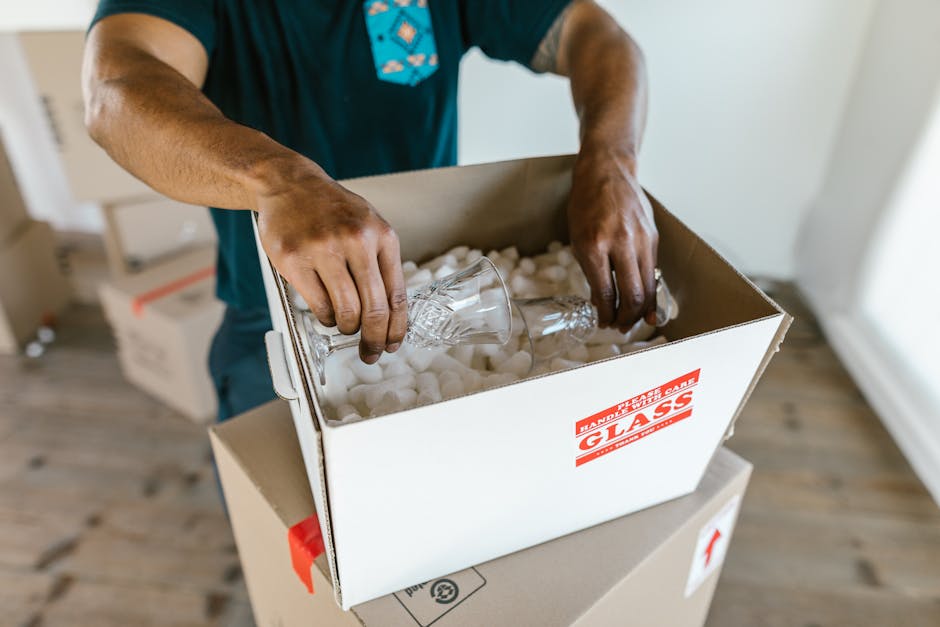
Different fragile items need slightly different methods. Glasses need padding inside the glass and around the rim. Plates are safest when packed vertically rather than stacked flat. Frames and mirrors need corner protection and a rigid outer layer. Electronics need cables removed, parts separated, and a box that fits snugly without pressure on the screen or controls.
If you are using a professional removal company or arranging broader removal services, this method still matters. A good mover can transport fragile boxes safely, but they cannot fix poor packing after the fact.
Key Benefits and Practical Advantages
Good fragile packing gives you more than peace of mind. It improves the whole move in a few surprisingly useful ways.
- Less breakage: obviously the big one, and the most immediate.
- Faster unpacking: properly labelled boxes are easier to place in the correct room.
- Better use of space: snug boxes load more efficiently in the vehicle.
- Less handling stress: tidy fragile boxes are easier for movers to carry with care.
- Better organisation: you can group kitchen, decor, and electronics by priority.
There is also a subtle psychological benefit. When your delicate items are packed well, the move starts to feel controlled rather than chaotic. That matters. Anyone who has watched a box of glassware wobble open in the hallway knows exactly what I mean.
For people moving in busy places such as London, where stairs, narrow hallways, and parking windows can complicate things, efficient packing is especially helpful. If you are coordinating a local move, it may also make sense to look at removals near me and choose a service that fits the access, size, and timing of your home.
Who This Is For and When It Makes Sense
This approach is useful for almost anyone moving house, but some people benefit more than others.
- Home movers: especially if you have glassware, mirrors, art, or a full kitchen to move.
- Renters: if you are moving flats and want to avoid deposits disappearing into replacement costs.
- Families: because everyday homes tend to have more breakables than people realise.
- Older homeowners: often with sentimental or inherited items that need extra care.
- Small businesses: if stock, display pieces, or office equipment need protecting during a move.
It also makes sense to use pro-level packing when the move is not huge but the items are valuable. A small number of delicate objects can still cause a big headache if they are treated like ordinary clothes and books. A single cracked ceramic lamp can be more frustrating than moving ten heavy boxes. Funny how that works.
If your move includes a broader home or office relocation, it can help to pair careful packing with a service designed for the job, such as home moves or, for businesses, office removals. The point is not just transport. It is safe handling from start to finish.
Step-by-Step Guidance
Here is a clear, practical process for packing fragile items without overcomplicating it.
1. Gather the right packing materials
Before you start, collect sturdy small to medium boxes, packing paper, bubble wrap, tape, marker pens, tissue paper, and dividers if you have them. A small stack of clean towels or soft linens can help too. Keep in mind that overfilling one box is a classic mistake. Smaller boxes are often better for fragile goods because they are easier to lift and less likely to be overloaded.
2. Sort fragile items by type
Do not pack everything breakable together if it has very different shapes. Group similar items first: glasses with glasses, plates with plates, ornaments with ornaments. This gives you a more consistent packing method and reduces wasted space. It also makes unpacking less of a treasure hunt.
3. Reinforce the bottom of each box
Use strong tape on the base of the box. A cross or H-pattern is common because it supports the centre seam properly. Then add a cushioning layer at the bottom. Crumpled paper or folded soft material works well. You are creating a shock absorber, basically.
4. Wrap each item separately
Every fragile object should be wrapped on its own. For glasses, wrap around the body and gently pad the rim. For plates, place paper between each plate and wrap the bundle. For bowls, fill the interior lightly before wrapping the outside. For ornaments, wrap them carefully and avoid leaving corners exposed.
5. Pack by weight and shape
Heavier fragile items should go at the bottom of the box, but never so tightly that they press into one another. Lighter pieces can go above them. Fill any gaps with more paper or soft packing material so nothing can shift. If you shake the box gently and hear movement, it is not done yet.
6. Keep special items upright
Mirrors, framed pictures, and some artwork are best packed vertically, not flat. That reduces pressure. Use corner protectors if available, then wrap the entire piece and place it in a box or picture carton with cushioning around the edges.
7. Protect electronics with extra care
For televisions, speakers, printers, or similar items, remove cables, accessories, and removable parts. Put the cables in labelled bags and tape them to the device box if appropriate. Whenever possible, use the original packaging. If not, choose a box with room for padding but not too much space. Loose items inside electronics boxes can be a nightmare.
8. Seal and label clearly
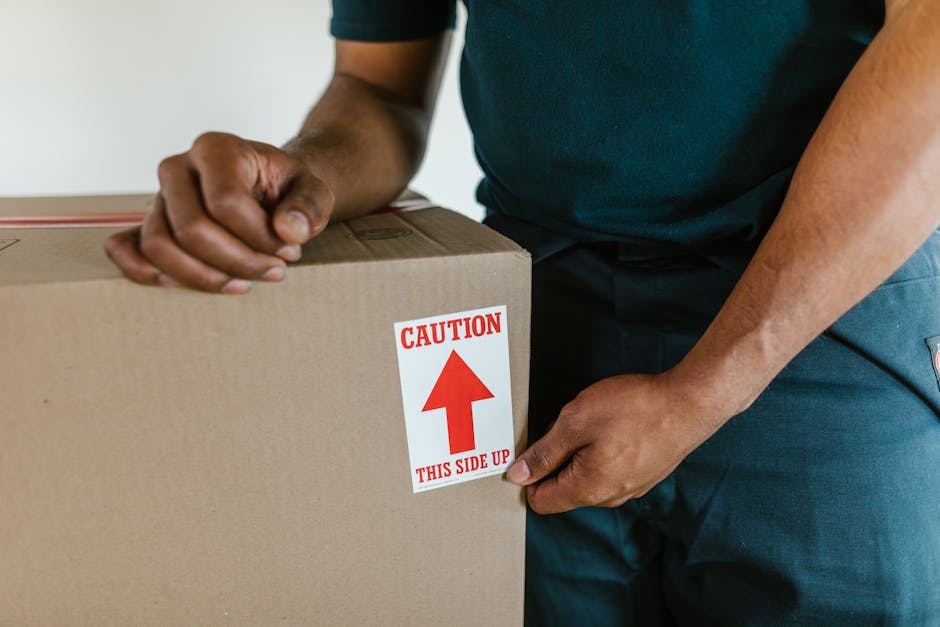
Write fragile on several sides of the box and note the room it belongs in, such as kitchen, bedroom, or study. You can also add phrases like this side up if the box should remain vertical. Clear labels help movers and helpers make quick decisions in the van and at delivery.
9. Load the boxes properly
Fragile boxes should normally go on top of heavier, sturdier items. They should not be crushed under furniture or stacked under bulky bags. During transport, a stable load matters just as much as a good wrap. This is where a tidy van layout pays off, whether you are using a moving van, a moving van, or a larger moving truck.
10. Unpack with the same level of care
Once you arrive, do not rush. Open fragile boxes on a clear surface, preferably one at a time. Check the contents before discarding any packing material. A hurried unpack is how a chipped glass gets discovered too late, usually after the kettle is already on.
Expert Tips for Better Results
These are the small habits that make a big difference. Not flashy. Just effective.
- Use more padding than you think you need: fragile items fail when they are allowed to move.
- Do not mix heavy and delicate items: a mug packed with books is asking for trouble.
- Double-box very valuable pieces: especially small ornaments, collectables, or sentimental items.
- Wrap handles and spouts carefully: teapots, jugs, and lamps often break at the weak points.
- Keep a separate essentials box: so you do not open every fragile box on the first evening.
- Use newspaper sparingly: it can work as filler, but it may mark fine surfaces, so cleaner packing paper is often better.
- Photograph valuable items before packing: useful for your own records and for checking condition later.
One experienced mover's habit I really like: pack a box only when you can explain in one sentence what is inside and how it should be handled. If you cannot say it clearly, the box probably needs better labelling. Slightly odd rule, but it helps.
If you are short on time, professional help can be worth it. Services like packing and unpacking services are useful when the move is large, time-sensitive, or packed with fragile items that need a steadier hand than most of us have after a long day.
Common Mistakes to Avoid
Most fragile-item damage comes from a handful of very ordinary mistakes. Avoid these and you are already ahead of the game.
- Using oversized boxes: too much empty space lets items crash into one another.
- Leaving items unwrapped: even slightly rough surfaces can chip glass and ceramic.
- Overpacking one box: the box becomes too heavy to handle safely.
- Ignoring the box base: weak bottoms split, and then everything else follows.
- Not filling gaps: movement inside the box causes damage during transit.
- Packing mirrors flat: pressure on flat panes is risky.
- Forgetting labels: fragile boxes that look ordinary are more likely to be stacked badly.
- Mixing random shapes together: odd edges catch and break other items.
Another common slip is overconfidence. People pack a few glasses successfully, then assume the rest will be fine. Truth be told, the first box is often the safest one because you are still paying attention. Keep that attention going.
Tools, Resources and Recommendations
You do not need specialist equipment for every move, but the right basics help a lot. Here is a practical toolkit.
| Item | Best use | Why it helps |
|---|---|---|
| Small sturdy boxes | Glassware, ornaments, kitchen items | Limits weight and reduces movement |
| Packing paper | Wrapping and filling gaps | Creates a softer buffer than loose wrapping alone |
| Bubble wrap | Artwork, electronics, delicate decor | Provides impact protection around vulnerable surfaces |
| Strong tape | Sealing and reinforcing boxes | Prevents box failure during lifting |
| Markers and labels | Room labels and fragile warnings | Makes loading and unpacking more organised |
| Corner protectors | Frames, mirrors, screens | Protects the weakest points first |
| Soft towels or linens | Extra padding | Good for cushioning odd-shaped items |
For larger moves, it may also help to use a suitable vehicle option. If your fragile items are part of a full-house move, a dedicated removal van or a broader removal service can be a sensible fit, especially when access, lifting, and timing matter. In some cases, people compare several removal companies before choosing the one that matches their home and inventory best.
And if you are moving furniture alongside breakables, do not forget the awkward bits like lamp bases, side tables, and display cabinets. A well-prepared move often includes a plan for furniture pick up as well as the fragile goods inside the cupboards. That combination is usually where the real workload sits.
Law, Compliance, Standards, or Best Practice
For everyday home removals in the UK, there is usually no special legal rule that says fragile items must be packed in a particular way. The real expectation is more practical: belongings should be packed so they can be moved safely without creating avoidable risk to people or property.
That said, good practice still matters. A few sensible principles apply:
- Safe lifting: keep boxes to a manageable weight so nobody strains a back or drops a load.
- Clear labelling: helps prevent fragile boxes being stacked under heavy items.
- Secure loading: items should not slide around in transit.
- Careful handling of valuables: especially for glasses, artwork, and electronics.
If you are hiring a mover, it is worth checking their policies around handling and protection. Pages such as insurance and safety, health and safety policy, and terms and conditions can help you understand what is covered and what is expected. In plain English: do not assume every breakage is automatically covered, and do not assume every box will survive bad packing. Ask the right questions early.
For businesses or landlords, there may also be internal requirements around asset handling, access, or timing. Office moves, for instance, often need tighter coordination than a standard house move. In those cases, office relocation services or commercial moves can make planning a lot smoother.
Options, Methods, or Comparison Table
There are a few ways to pack fragile items, and the best choice depends on what you are moving. Here is a quick comparison.
| Method | Best for | Pros | Watch out for |
|---|---|---|---|
| Individually wrapped with paper | Glasses, mugs, ornaments | Lightweight, flexible, quick | Needs good filling around gaps |
| Bubble-wrapped and boxed | Artwork, screens, delicate decor | Strong impact protection | Can be bulky if overused |
| Dividers in boxes | Glassware, bottles, jars | Keeps items separated neatly | Dividers must fit firmly |
| Double-boxing | High-value or sentimental pieces | Excellent extra cushioning | Takes more time and materials |
| Soft wrapping with towels or linens | Mixed household items | Convenient and cost-effective | Not ideal for very delicate surfaces |
If you are trying to decide between doing it all yourself or getting help, here is the honest version: DIY packing works well for smaller, low-risk loads, but the more delicate and valuable the items are, the more sense professional support makes. It is not about being incapable. It is about reducing avoidable stress. Quite a normal decision, really.
Case Study or Real-World Example
A typical move might look something like this. A couple in South London was relocating from a two-bedroom flat to a house across town. They had a modest number of breakables: a dinner set, a few wine glasses, framed prints, a mirror, and some kitchen ornaments collected over the years. Nothing museum-grade. Still enough to worry about.
They started by sorting fragile items into groups and packing the kitchen first, because that was the largest category. Each glass was wrapped separately, plates were packed vertically, and the mirror was corner-protected before being boxed upright. They used smaller boxes for heavier items like mugs and a slightly larger box for lightweight decor. The key change, according to them, was taking five extra minutes to fill each gap properly. That made the boxes feel solid instead of hollow.
On moving day, the fragile boxes were labelled on three sides and loaded last so they stayed on top. At the new place, the kitchen boxes were unpacked first while the kettle was still warm. No breakages. No panic. And, just as importantly, no mystery box of tangled wrapping paper waiting in the hallway.
This is the reality most people want: not perfection, just a move that feels under control. Small steps, done properly, make that happen.
Practical Checklist
Use this checklist before the van arrives.
- Sturdy small and medium boxes gathered
- Packing paper, bubble wrap, tape, and markers ready
- Fragile items sorted by type
- Each item wrapped individually
- Box bottoms reinforced with tape
- Gaps filled so contents do not move
- Heavy fragile items placed lower in the box
- Mirrors, frames, and screens packed upright where possible
- Boxes labelled with room name and fragile warning
- Very valuable items photographed for your own records
- Fragile boxes loaded on top of heavier, sturdier goods
- Unpacking plan ready for arrival
If you are still wondering whether to do everything yourself, that is a fair question. For a small move, perhaps yes. For a bigger one, or a move with awkward access, stairs, or lots of delicate items, getting help can save the day. A quick look at pricing and quotes can help you judge whether extra support fits your budget. And if you want to understand the business behind the service, about us is a useful place to start.
Conclusion
Packing fragile items for removals is really about control. Control over movement, pressure, handling, and how much stress you carry into moving day. Once you understand the basic logic, the process becomes much less intimidating. Wrap each item properly, cushion every gap, keep weight sensible, label clearly, and load with care.
That is the heart of how to pack fragile items for removals with pro tips. No drama, no magic trick, just smart preparation and a calm approach. And honestly, that is usually what a good move needs.
Whether you are moving a few treasured glasses or a whole house full of breakables, a careful packing method gives you the best chance of a smooth arrival. If you want a steadier hand on the day, it is worth speaking with a team that understands careful home moving and handling. You will feel the difference before the first box is even loaded.
Get a free quote today and see how much you can save.
And once the last box is carried through the door, you can make a cup of tea, look at the intact glassware, and feel that small, underrated relief. That is the good bit.
Frequently Asked Questions
What is the best way to pack fragile items for removals?
The best way is to wrap each item individually, cushion the inside of the box, keep items from touching, and fill all empty spaces so nothing moves during transport.
Should fragile items go in small or large boxes?
Small or medium boxes are usually better because they are easier to lift and less likely to become too heavy. Large boxes can tempt people to overfill them, which increases breakage risk.
Is bubble wrap better than packing paper?
They do different jobs. Bubble wrap gives more impact protection, while packing paper is excellent for wrapping, separating, and filling gaps. Many people use both together.
Can I use towels or clothes to pack fragile items?
Yes, for some items. Soft clothing, towels, and linens can provide extra cushioning. They are handy for less delicate objects, but very fragile glass or art usually needs proper wrapping as well.
How do you pack glasses without breaking them?
Wrap each glass individually, pad the inside lightly, and pack them upright in a box with enough cushioning around them. Do not let glass touch glass.
Should plates be packed flat or on their side?
Plates are usually safer packed vertically, with paper or padding between each one. Stacking them flat can put too much pressure on the lower plates.
How do I pack a mirror for removals?
Use corner protectors if possible, wrap the mirror carefully, and keep it upright. Add cushioning around it so the frame or glass does not shift in the box.
What should I do with electronics before moving?
Remove cables, store accessories separately, and pack each device so it fits snugly without pressure on the screen or controls. If possible, use the original packaging.
Do movers normally handle fragile items?
Most movers will handle fragile boxes with care, but the quality of the packing still matters. Good movers can transport breakables safely, but they cannot fix poor packing.
How far in advance should I pack fragile items?
Start well before moving day if you can. Fragile items are worth packing early because they take more time and attention than clothes or books. Leaving them until the last minute is asking for stress.
Are fragile packing materials worth the cost?
Usually, yes. The cost of good boxes, tape, and cushioning is often much lower than replacing broken items. For valuable or sentimental belongings, it is especially worth it.
What is the biggest mistake people make with fragile items?
The most common mistake is leaving too much empty space inside the box. When items can move, they collide. That is where chips, cracks, and breakages often start.